
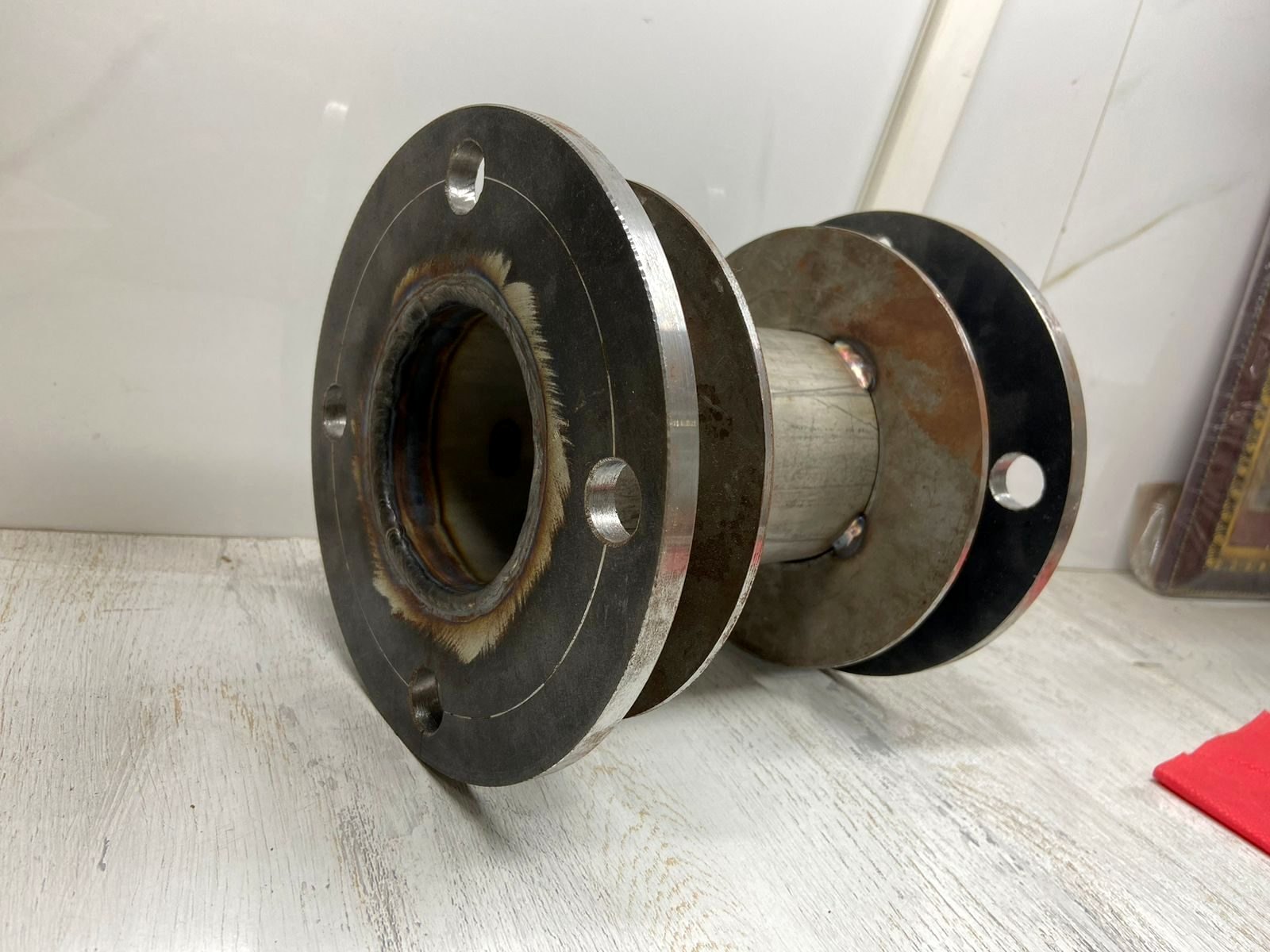
Pipe Spools
Prefabricated pipe assemblies built to isometric drawings, so site work is reduced to flange-up and bolt-up.
| Types | Pipe Spools · Fabricated Fittings · Pipe Nipples · U-Bolts · Puddle Flanges · Custom Machined Components · Pipe Bending |
|---|---|
| Grades | Stainless and high-percentage alloy · Carbon and low-temperature carbon · Duplex and Super Duplex · Nickel alloys |
| Sizes / NPS Range | NPS 1/2" to 24" spools · nipples from 1/8" · larger assemblies to drawing |
| Schedules / Thickness | Sch. 5S to XXS · wall to suit the design pressure |
| Standards | Fabricated to ASME B31.1 / B31.3 practice · ASME B16.9 / B16.5 components · ASME IX welder and procedure qualification |
| Ends | Flanged · Bevelled · Threaded · Plain — as the isometric requires |
| Finish | Pickled & passivated · Shot blasted · Painted to specification |
| Certification | MTC for all components · Weld maps, NDT reports (DP, RT, UT) and hydrotest certificates on request |
Prefabricated pipe assemblies built to isometric drawings, so site work is reduced to flange-up and bolt-up.
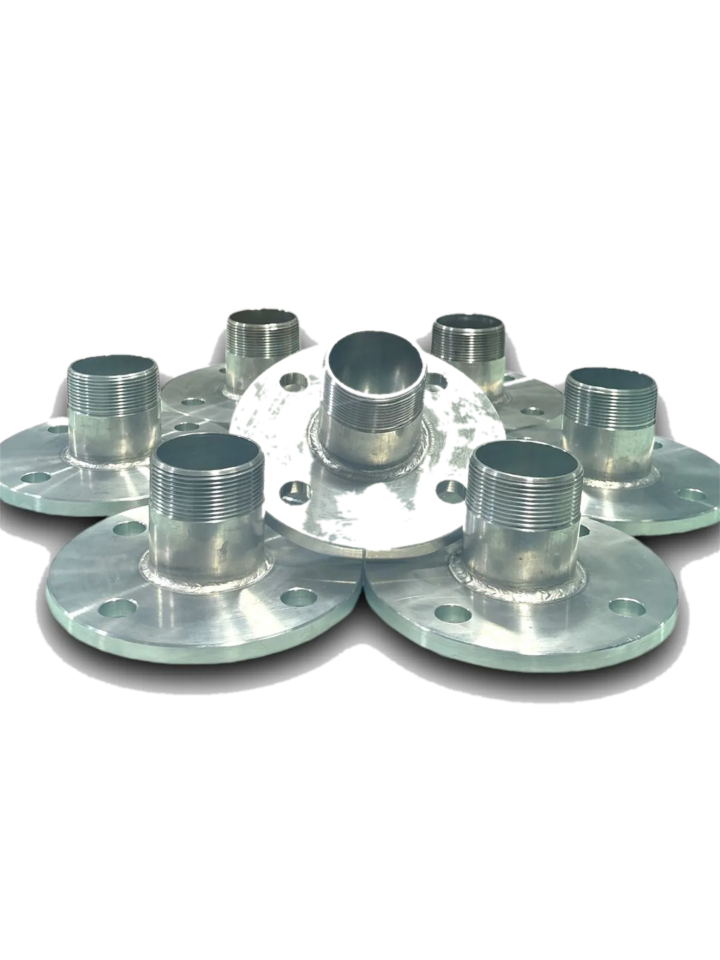
Stainless and high-alloy fittings fabricated where a forged equivalent is not available or not economical.
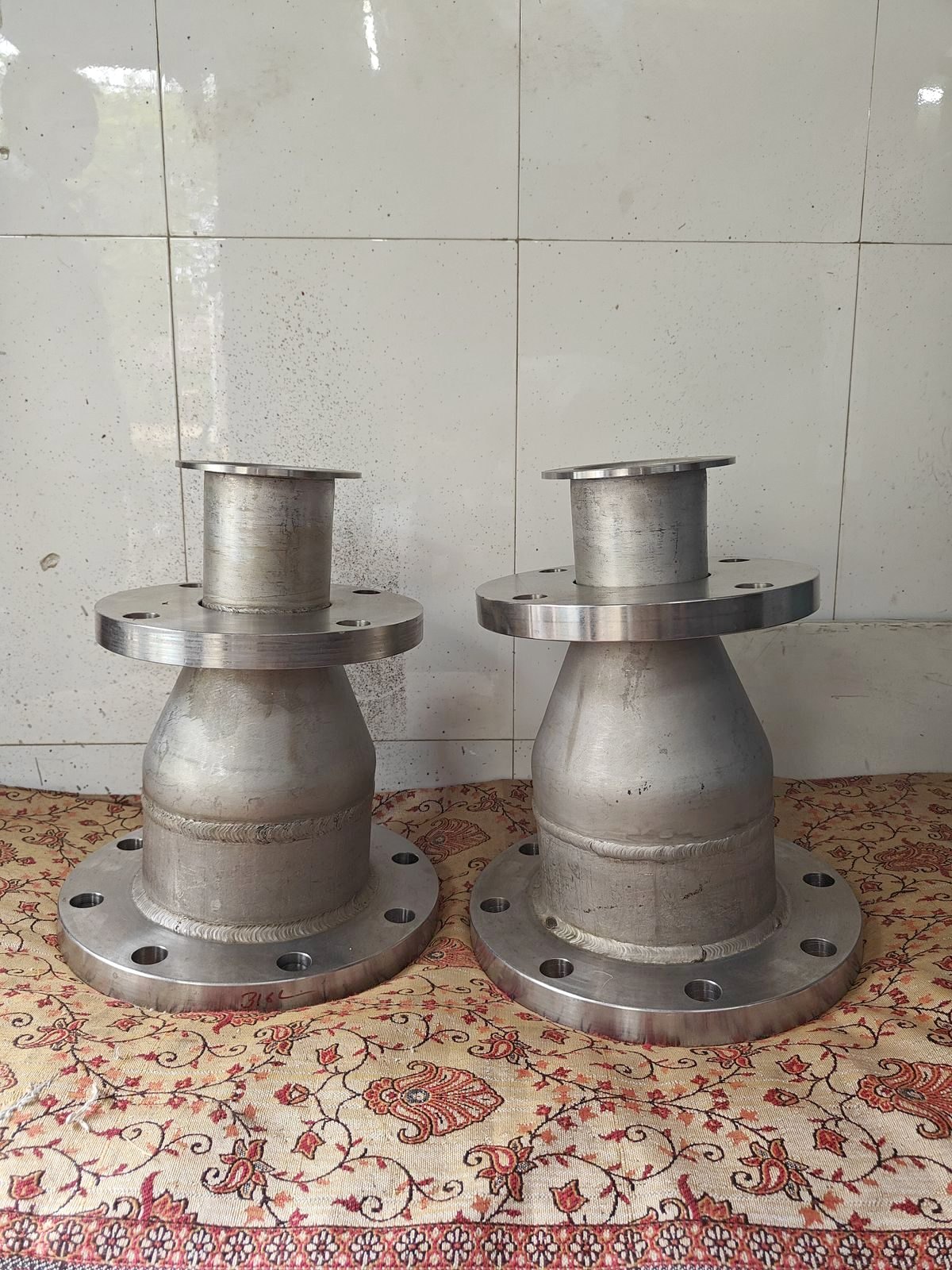
Concentric and eccentric reducers, flanged both ends, rolled and welded to size.
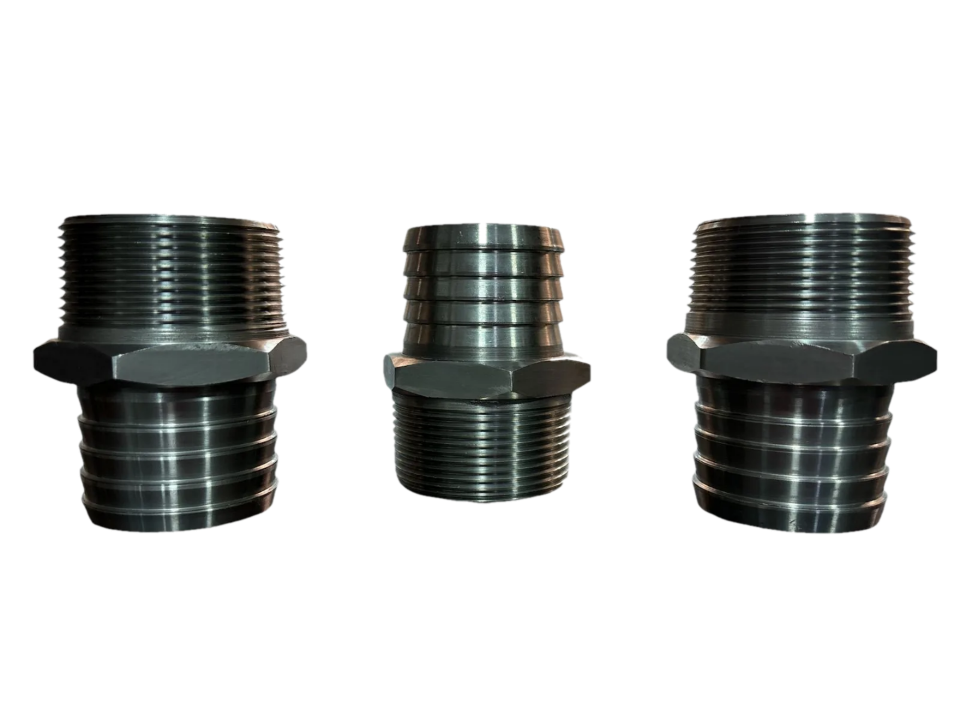
Seamless and welded nipples in a range of sizes and schedules, in stainless, carbon and alloy steels.
Pipe support U-bolts in a range of sizes and materials, with or without a saddle.
A length of pipe with a square plate welded in between and a flange on one end, for sealed penetrations into tanks, vessels and heat exchangers.
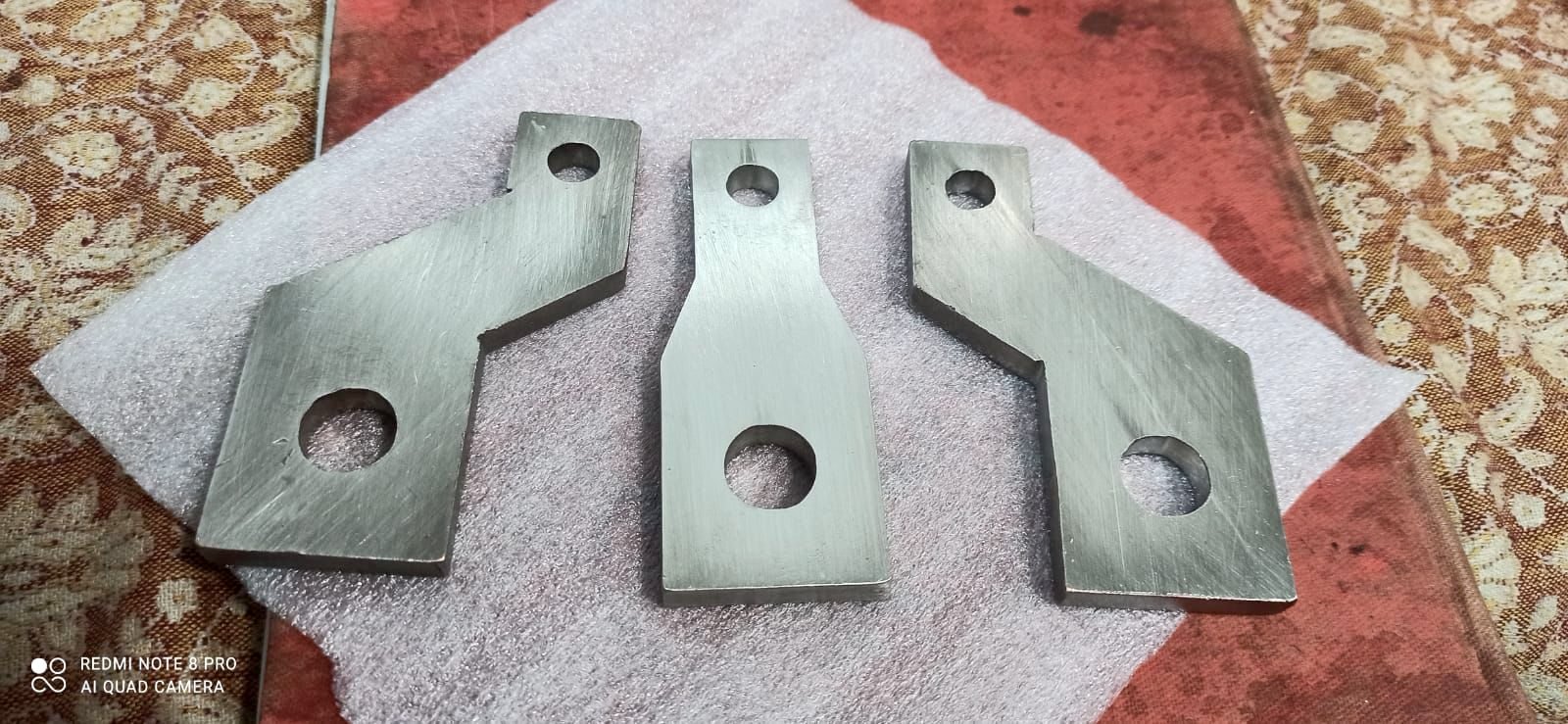
Turned and milled parts built to drawing — brackets, lugs, discs, adaptors and one-off replacements.
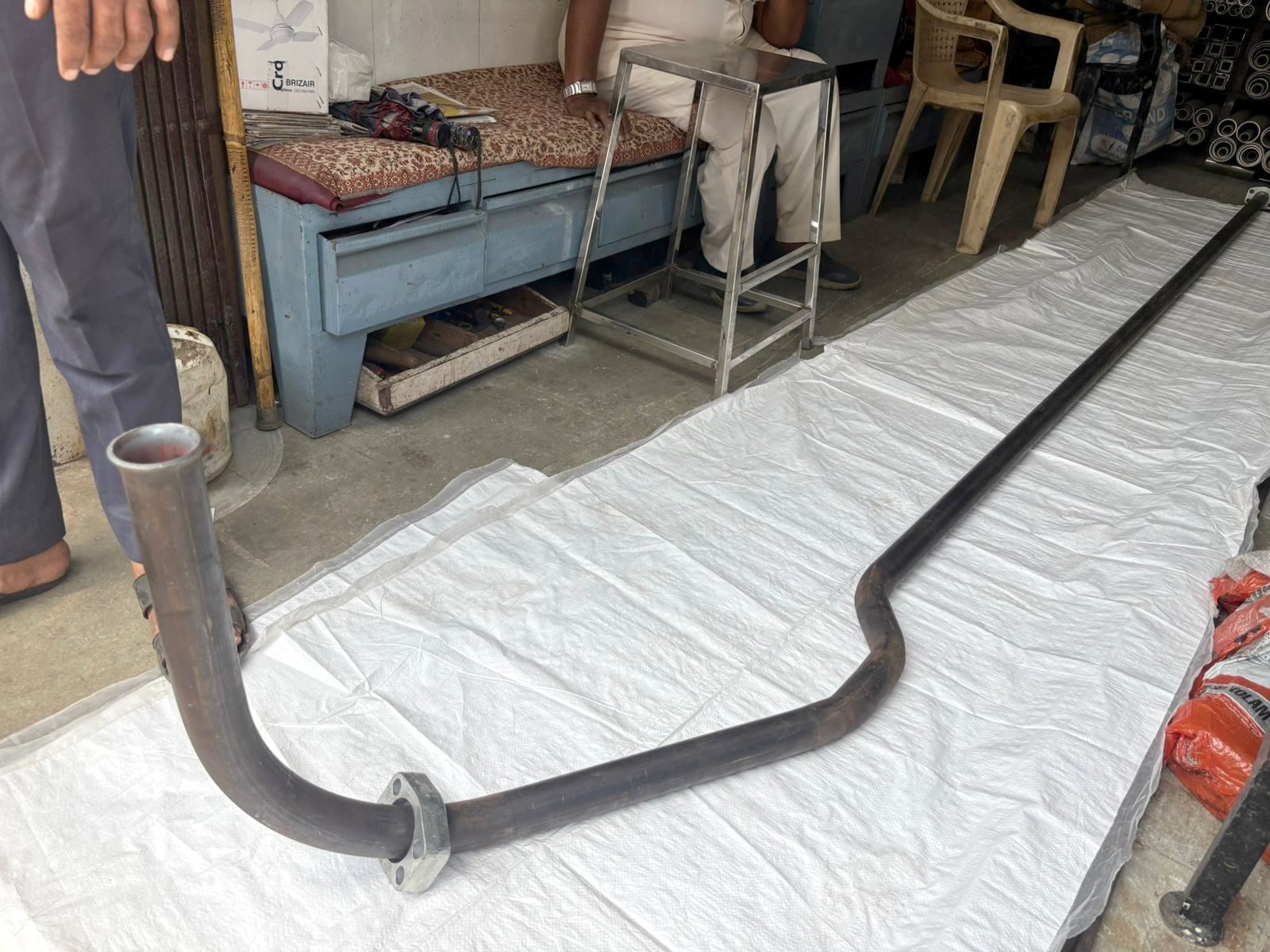
Cold and induction bending to radius, removing welds from the line and reducing pressure drop.
A pipe spool is a prefabricated section of piping — pipe, fittings and flanges welded into a single assembly, built to an isometric drawing and delivered ready to bolt into place. The reason to use them is not the welding; it is where the welding happens. Shop welding is done in position, on a bench, with better access, better fit-up and easier inspection than the same joint made at height on a live site. Moving joints from site to shop reduces cost, shortens the shutdown and improves weld quality all at once.
We fabricate to your isometrics. What we need from you is the drawing, the material specification, the required end preparation and the certification level. What you get back is the assembly, the Material Test Certificates for every component in it, a weld map identifying each joint and its welder, and the NDT and hydrotest reports where specified.
Not every fitting exists as a forged or formed standard item. In high-percentage alloys, in unusual sizes, and in reducing configurations that are not catalogued, fabricating from plate and pipe is often the only route — and frequently the faster one. A fabricated fitting made to the same wall thickness, welded to a qualified procedure and radiographed is a legitimate engineering solution, not a compromise, and it is normal practice on large-diameter and exotic-alloy work.
A nipple is a short length of pipe threaded, plain or bevelled at both ends. Simple, and easy to get wrong. A close nipple is threaded along its whole length with no unthreaded land, which makes it the shortest possible connection — and the weakest, since the wall is reduced everywhere. Where there is room, a nipple with a plain section between the threads is stronger and should be preferred. We supply seamless and welded nipples across sizes and schedules in stainless, carbon and alloy steels, with NPT, BSP or bevelled ends.
A puddle flange is a length of pipe with a plate welded around it mid-length and a flange on one end. The plate is cast into or welded to the tank, vessel or structure wall, and it does two things: it seals the penetration, and it lengthens the path any leak would have to travel along the outside of the pipe. That extended path is the whole point — it is what stops water tracking along the pipe wall and through the structure. Tell us the wall thickness it is passing through and the plate size required, and we will build it to suit.
Brackets, lugs, discs, adaptors, spacers and one-off replacements, turned and milled to drawing. This is often the fastest way to solve an obsolescence problem: send us the old part or a dimensioned sketch and we will make it in a modern equivalent grade. If the original material specification no longer exists, identifying a current equivalent is a normal part of the job.
A bend removes two welds from the line. That means fewer inspection points, less pressure drop and one less place to leak. Cold bending suits smaller diameters and larger radii; induction bending heats a narrow band as the pipe is pushed through, and handles larger diameters and tighter radii.
The engineering constraint is wall thinning at the extrados — the outside of the bend stretches and gets thinner. Your design has to account for that, which is why the required minimum wall after bending should be stated in the enquiry rather than the nominal wall before it. On the intrados, over-tight radii cause wrinkling. As a rule, the larger the radius you can accept, the better the bend will be.
Welding is carried out to procedures qualified under ASME IX, by welders qualified for the procedure and position. For austenitic stainless we control heat input and interpass temperature to protect corrosion resistance; for duplex we control both plus the ferrite balance, and verify it afterwards. Back purging is used on root runs in stainless and alloy pipe — without it the root oxidises and the corrosion resistance of the joint is gone before the line is ever commissioned.
Send the drawing in whatever format you have — DWG, PDF, or a dimensioned sketch. Add the material specification, end preparation, quantity, delivery date, certification level, and any NDT, hydrotest or painting requirement. If you have service conditions but not a material specification, send the conditions and we will recommend a grade.
The isometric or fabrication drawing in any format you have, the material specification, sizes, schedules and end preparation, quantity and required date, and the certification level. If the drawing is old and the original grade is obsolete, send it anyway — identifying a modern equivalent is a normal part of the job.
Material Test Certificates for every component in the assembly, a weld map identifying each joint, and NDT and hydrotest reports where the specification calls for them. Welding is carried out to procedures qualified under ASME IX.
Yes. Every consignment is supplied with a Material Test Certificate to EN 10204 3.1 as standard, stating the actual chemical and mechanical results for the heat supplied. EN 10204 3.2, countersigned by an independent third-party inspector, is available if your specification requires it — tell us at enquiry stage, because it affects mill selection and lead time.
There is no fixed minimum. We supply single lengths and single fittings from stock as readily as full project quantities. For grades we import to order, the mill will set its own minimum, and we will tell you what that is when we quote.
Yes. Alongside standard sizes we manufacture and fabricate to drawing. Send the dimensions, the material specification and the end preparation, and we will quote against them. If you have service conditions rather than a grade, send those and we will recommend a material.
Stock items despatch quickly from Mumbai. Imported grades and fabricated items depend on the mill and the scope of work, so we confirm a firm lead time with every quotation rather than publishing a general figure that would not hold.
Request a quotation
Send the grade, size, schedule and quantity and we will come back with availability, lead time and price. No account, no sign-up.